

How many sources are behind a censorship claim?
Four selected incident records show why evidence links, source families and conclusions must stay separate.
Read the evidence note
Research and tools for a free, private internet.
We measure internet censorship and build tools for private access and communication—for people and agents.
Atlas
Our probes measure network access. Atlas connects those observations with other research to help people understand internet restrictions.
Explore AtlasOriginal measurements
Other measurement projects

Evidence connected
Open to inspection
References are not independent measurements.
Follow a source into the record.
Each path shows a source family linked by this record.
IODA
Internet routing and active probing help investigate whether networks are reachable.
A connectivity signal does not identify why access changed.
Showing IODA: connectivity signals.
Voidly classificationMixed connectivity and censorship
This record alone does not establish a shared cause, an actor or countrywide impact.
Many of these 41 entries repeat source dashboards or portals. Source capabilities above do not verify each reference.
Evidence read . A dated example, not a live status view.
Read the source analysisA disruption is an observation.
A censorship conclusion needs evidence.
Voidly VPN
Connect through an encrypted WireGuard tunnel with Voidly Desktop or your preferred WireGuard app. Free, with no monthly data or configuration cap.
Setup request limits and node or network availability still apply. Globe artwork does not show network status.
Veil
An open internet also needs places to talk. Veil offers encrypted messages and calls, with no phone number required.
Explore VeilSecurity and backup features differ between the browser and iOS apps. Review them before choosing.
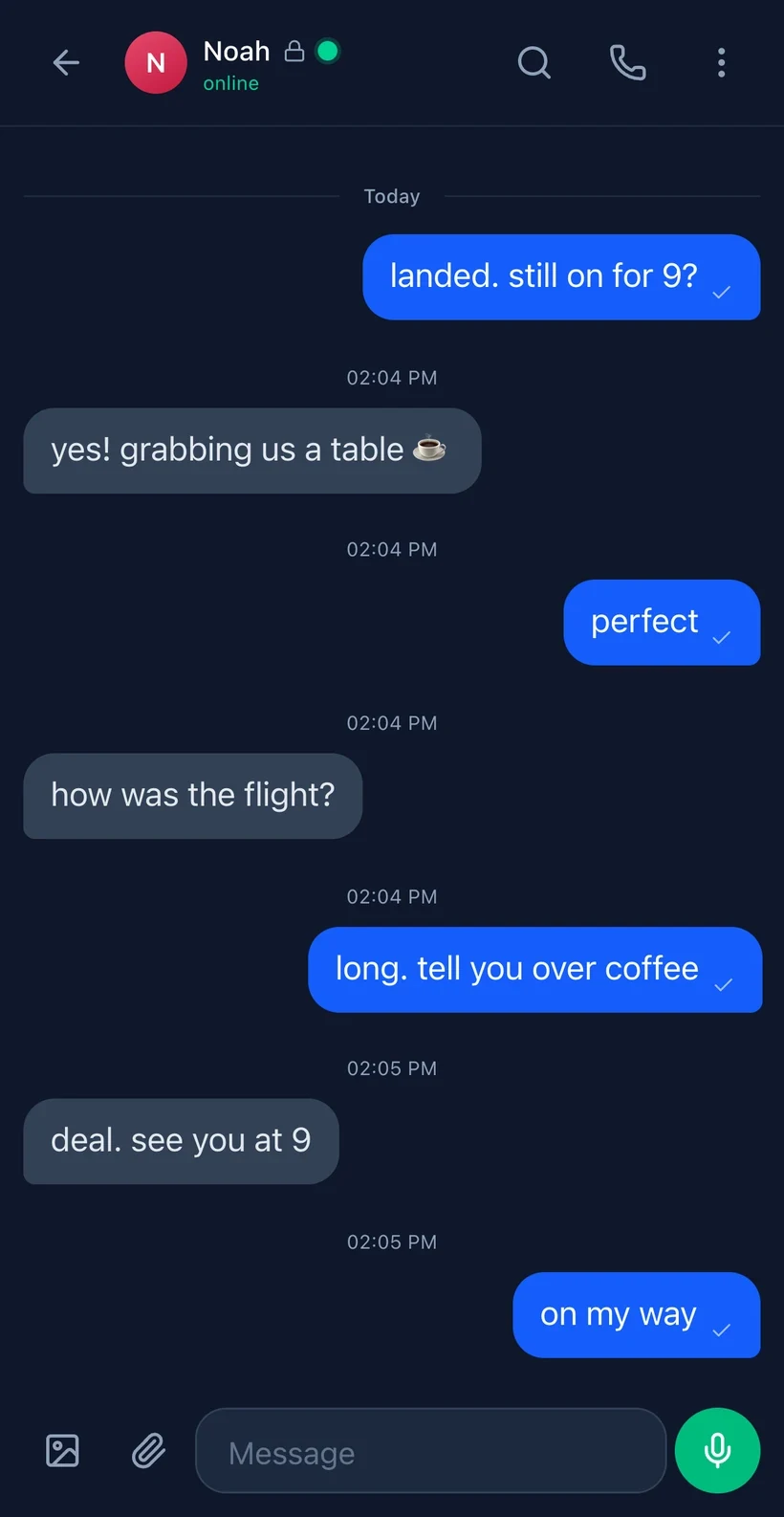
Messages and calls, with the conversation at the center.
Voidpay
Find services for your agents, or create a storefront of your own.
Find a provider for the task.
Understand the service and its supported flow.
Follow the provider’s interface and developer guides.
Payment availability depends on the service and supported flow.
Research
Read the sources, methods and limits behind our findings.
All researchFour selected incident records show why evidence links, source families and conclusions must stay separate.
Read the evidence noteHow to read Atlas country scores, sample counts, and missing data without mistaking an anomaly signal for a census of internet freedom.
A dated look at Iran’s Atlas anomaly signal, the OONI links behind one incident record, and the limits of each source.
For the people asking questions.
And the agents helping find answers.